

Getting Closer to Cretan Traditions and Lifestyle
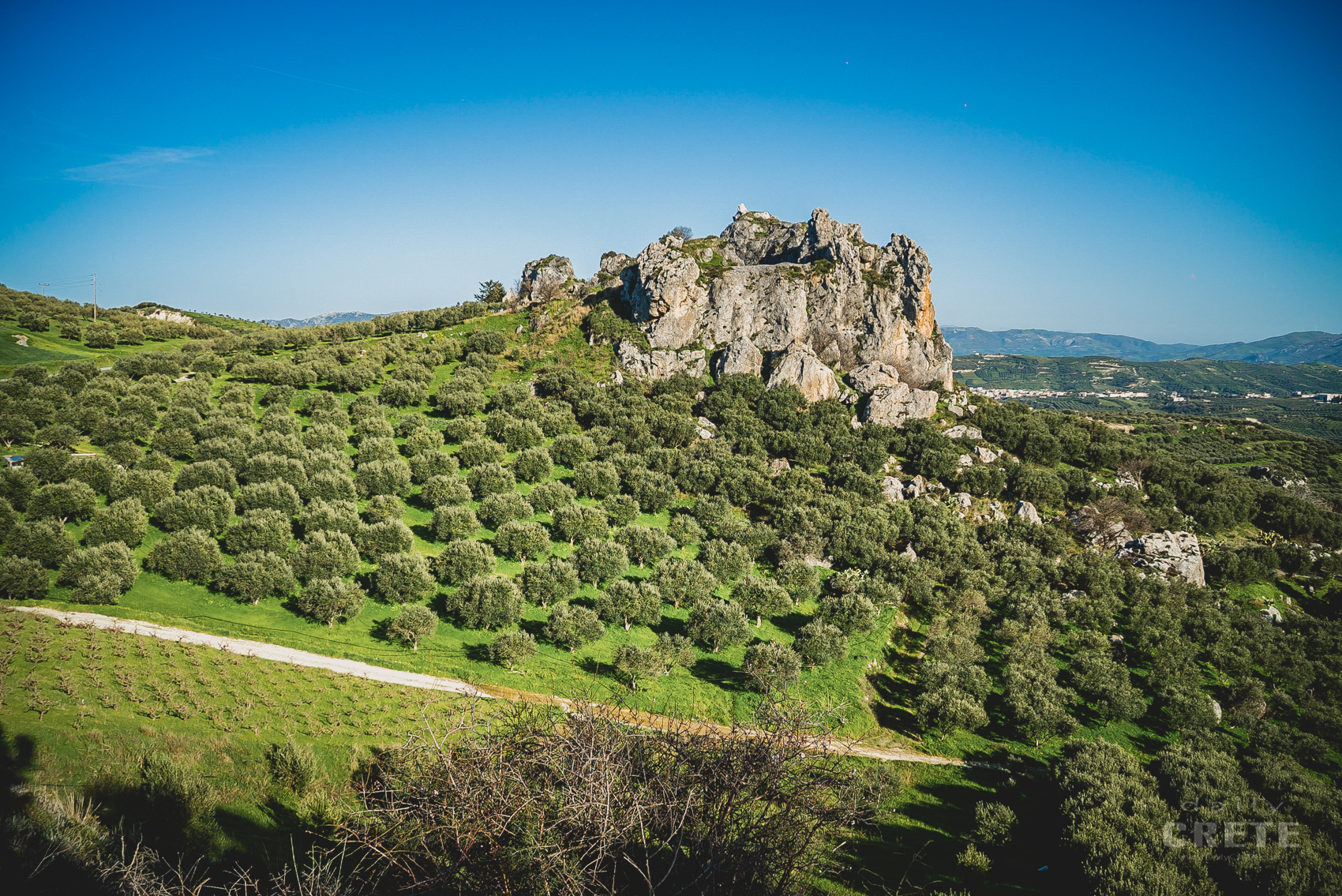
Visiting Crete in November combines nostalgia, romance, and adventure. Dehydrated by the long summer, nature revives after the first rains of autumn and explodes in shades of green. Since many plants are in the process of blooming, it isn't surprising that colorful landscapes and sunny days make you think spring is just around the corner.
From a meteorological point of view, November is the month of surprises. Although there may be some rainy days or strong gusts of Nordic wind, the weather is not very cold. The average temperatures are somewhere around 20°C - 21°C, and at night 13°C - 14°C, with lower values in the hilly and mountainous areas. Day walks along the beach are charming and, with a little courage, you can still swim in the sea, as the water is still at 20°C.
It is good to have suitable clothes for rain and wind, but also expect sunny days with temperatures of 25°C, in which you can wear a short-sleeved T-shirt and a light jacket on the back. Daylight is from around 7 am until 6 pm in the early part of the month and until 5 pm in the latter part of the month.
November is very suitable for traveling around the island. Mass tourism is already over at this time of year. Resorts on both the north and south coasts are closed, and the whole island is quiet as if ready for hibernation. Charter flights are interrupted seasonally. Only regular flights, ferries, and a few occasional cruise ships reach Heraklion and Chania.
The most famous sights are empty and quiet, but the cities are still vibrant with students and locals, so you can really see what Cretan life is all about. And if you want to explore nature and isolated places on the island, bring along your hooded anorak and hiking boots and have a great time!
Here are some suggestions on how to spend your time, if you like the idea of visiting Crete in November:

Experience the Olive Harvest
One of the most familiar scenes in the Cretan countryside is the groves of olive trees with their greenish-silver leaves trembling in the breeze. Throughout Greece and Crete, the olive tree is a sacred tree, with ancestral myths, legends, and folk tales presenting it as a symbol of peace, wisdom, and life. The cultivation of olives dates back to 4,000 BC, being systematically practiced by Cretan farmers who inherited the land and preserved the traditions from generation to generation.
The Olive harvesting season begins in late October/early November and usually continues until mid-January. Of all the agricultural works in the annual calendar, this is one of the most physically demanding, and yet eagerly awaited by the locals. Many townspeople take a holiday from their jobs to participate in harvesting olives from their family's orchard in the countryside. The traditional practice consists of detaching the ripe olives from branches with sticks or hand rakes, but in large and modern orchards, mechanical tree-shaking tools are used.
For Cretans, picking olives along with family, friends, neighbors, day laborers, and visitors is a cheerful and invigorating work that gives the feeling of communion and connection with the land. Some tourist farms organize hours of olive picking, excursions to olive oil producers, workshops for olive oil degustation, healthy cooking, and cosmetics made from olive oil.

Culinary Walks in Cities
In winter, when the tourist resorts are largely closed, the islanders are concentrated inside the cities. For visitors, now is a favorable time to learn about the Cretan way of life, discover the secrets of the delicious Cretan products and wealthy cuisine, and indulge in the aromas of authentic traditional food in the best places in the city that locals prefer. If you come on holiday in November, you will probably settle in one of the cities on the north coast - Heraklion, Rethymno, or Chania which are also the liveliest.
Whether you are a passionate foodie or a traveler looking for authentic experiences, a guided food tour is the perfect way to discover the culinary culture of Cretans. Walking alongside a local guide, you will follow scenic city paths to explore fresh food markets, bakeries, traditional taverns, and lively coffee spots, experiencing the neighborhood vibe just like a local.
Along the way, you will hear the stories and history behind the island’s most beloved dishes. You will visit a dedicated specialty shop to taste different Cretan cheeses and learn about the island's cheese-making heritage. The journey also introduces you to local honey producers, where you can learn about traditional beekeeping and sample distinct regional varieties. To complete the experience, you will stop at favorite local pastry shops to try authentic specialties, including the famous creamy bougatsa and sweet or savory kalitsounia.
To bring your evening to a perfect close, nothing compares to relaxing with friends and family over a private dinner. In a warm and inviting setting, you will enjoy a curated tasting of local wines and raki, paired with authentic dishes inspired by the wholesome Cretan diet.

Explore the Hiking Trails
Hiking in Crete is the best way to admire the beautiful scenery and explore the diverse and vast wilderness. In the sunny days of November, the excursions throughout the island are really enjoyable, without worrying about sweating and sunstroke, as in summertime. A large part of the ancient Cretan trails and hiking paths runs through areas that have been declared protected, such as the National Reserve of the White Mountains (Lefka Ori), one of the seven reserves of Greece, or other different areas labeled as Natura 2000.
Crossing the island from Kissamos to Zakros, the E4 European Long Distance Path encompasses a large network of trails with special cultural, natural, and historical value, many of which remain accessible even during the winter months. Apart from the E4 path, there are dozens of great mapped trails of outstanding natural beauty that are worth walking. Ancient tracks and stone paths that once were the trade routes of the island today are traveled by tourists who love active holidays and adventure.
Many hiking and mountaineering clubs are operating all year round, and some travel agencies offer packages and expert guides for trekking on the island. So, if you'd like to walk off the paved roads and beaten paths, don't forget to pack your hiking boots!

Religious Tours in Monasteries
Crete is home to hundreds of Byzantine monasteries, churches, and historic chapels. The island's profound spiritual roots date back to the dawn of Christianity, established by Saint Paul and his disciple Titus, who became the first bishop and patron saint of Crete. Despite centuries of successive foreign occupations and attempts to suppress the local faith, Orthodox traditions have remained an unyielding pillar of Cretan identity.
Today, this vibrant heritage is deeply woven into daily life and beautifully preserved in the island’s sacred architecture. Visiting these holy sites offers far more than an appreciation for old-world frescoes and relics; it is an immersive look into specialized museums and rare collections of Byzantine art.
If you find yourself on the western side of the island, you can explore prominent spiritual landmarks like Arkadi Monastery, Saint George Karydi in Vamos, Holy Trinity Monastery, Chrissokalitissa Monastery, Katholiko Monastery, and the Virgin Mary Metropolitan Church, just to mention some of them.
To the East, do not miss the Monastery of Saint George Selinari, Monastery of Panagia Kera Kardiotissa, Monastery of Panagia Gouverniotissa, the Church of Saint Myron of Crete, the cave church of Saint Fotini, Church of Panagia Galatiani, or the impressive Toplou Monastery in Sitia.
On 11 November, you can join the celebration of Saint Minas, the guardian saint of Heraklion city, and visit the Saint Minas Cathedral - one of the largest churches in Greece. Also, at a walk distance in Heraklion old town, you find the Basilica of Saint Mark which houses the city's Art Galleries, and Saint Titus Church where the reliquary with the skull of St. Titus, the patron saint of Crete, is located. You can choose a tour organized by specialized guides or use a map with routes and places of interest and go on your own. Just be sure to dress properly while there and to follow the code of conduct.

Join Raki Distillation at Rakokazana
Raki, with its original Cretan name ”tsikoudia” (called ”tsipouro” in Greece), is an essential element in Cretan culture. Whether it is the reception of a guest, a family visit, a meeting between neighbors, or a business discussion, the greeting ritual of a Cretan necessarily includes a glass of raki, symbolizing friendship and hospitality. In some parts of the island, at the end of lunch or dinner, taverns offer guests cold raki as a digestive drink, along with a dessert from the house. With raki as a kind of heart warmer and lubricant of communication, Cretans make strangers feel like guests, and guests become good friends.
Every year, from the end of October, after the vine harvest, until mid-December, in Crete and Greece, Rakokazano or Kazanema, the traditional event of making the raki takes place. The raki distillation is a process that follows an old method, part of the Cretan tradition, which is still alive. After a month of fermentation in wooden barrels, the pomace ("strafyla") remaining after squeezing the grapes to take out the juice for the wine is boiled and passed through a distillation plant, at the end of which the famous spirit with a characteristic taste and intensity is obtained.
All around Greece, distillation can only take place in certified spaces ("rakokazana"), and there is at least one resident in each village licensed to produce the drink. More than a technological process closely monitored by the owner, manufacturing the raki is a real celebration for the whole community. The people gather around the rakokazana to eat, drink, sing and dance together, accompanied by traditional local musicians and their instruments. If you visit Crete in November, look for a mountain village and join a rakokazana to witness the distillation of the traditional brandy of the Cretan people and make some new friends!
It's party time! Yamas! (Γεια μας!)